Vegan, biodynamic, ethical certification, environmentally responsible packaging… Many wines have certifications and labels that are easy to mix up. Here's what each one means, briefly and clearly!
Many people know what organic means, but what about the others? Biodynamic sounds a bit mystical, and vegan raises a laugh—wine is made from grapes, so what animal-derived ingredients could there be? Or what's natural about natural wine? There are a few tricks behind the terms, but don't worry—we'll explain them to you.
Organic
Organic farming is the most familiar green value to many. The key aspect of organic wine cultivation and production is that the use of synthetic additives and processing aids is prohibited. Organic farming promotes biodiversity, and for example, insecticides are not used.
Sulfites, which act as preservatives in wine, are still allowed in organic wines because they are natural. They may be added in limited amounts.
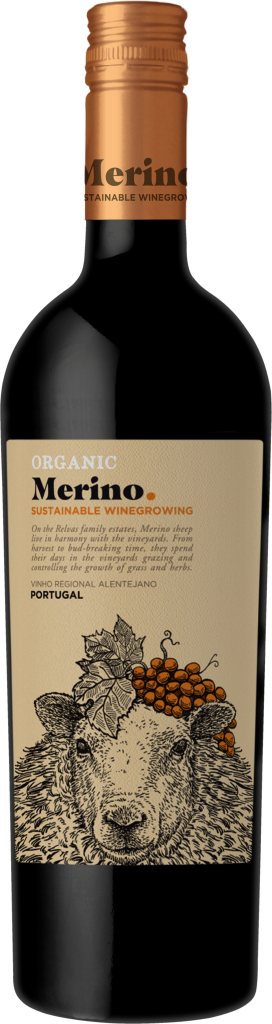
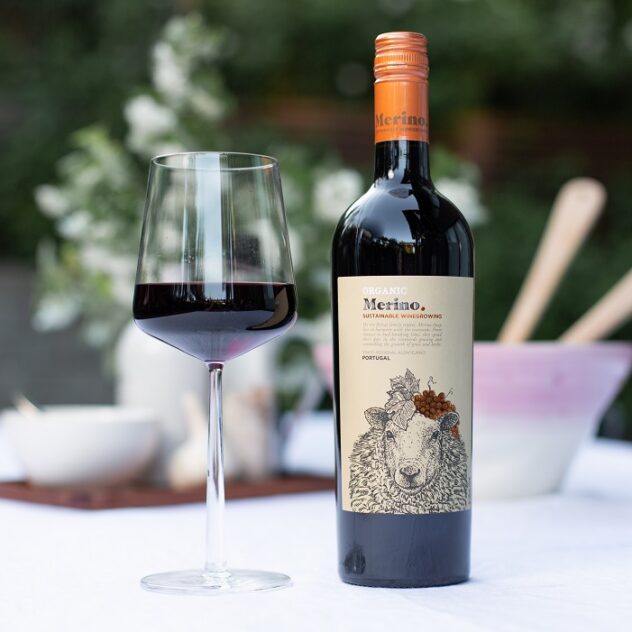
The "sheep wine" Merino Organic vineyards are maintained in autumn and winter by a flock of Merino sheep, the top sheep breed in the Alentejo region. The producer has over 400 of them.
Biodynamic
Biodynamic wines are always organic. The key difference is that the farming principles and philosophy go even further in biodynamic viticulture. Biodynamic winemaking is guaranteed by the strictly defined Demeter certification.

In biodynamic farming, vineyards are seen as self-sustaining and self-regulating units, and cultivation takes into account astronomical cycles, such as the phases of the sun and moon. Farming stages are timed to harness the developmental forces of nature.
Farming also uses so-called biodynamic preparations that improve the soil.
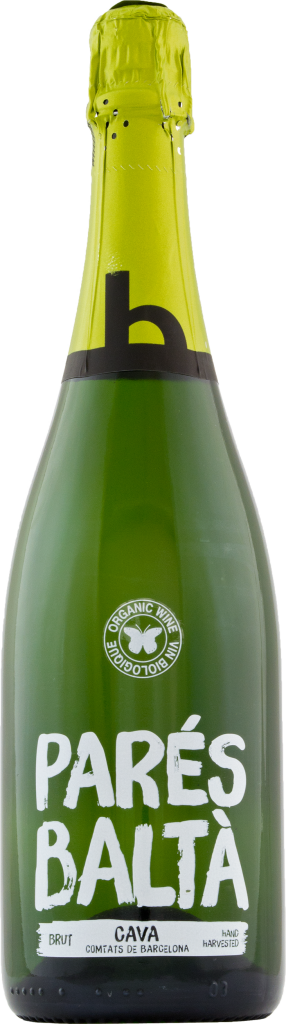
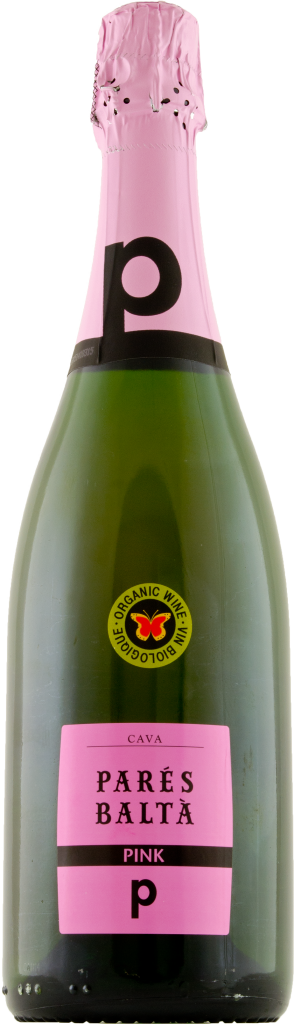
Parés Baltà's entire production is Demeter-certified and suitable for vegans, with excellent value for money to boot.
Vegan
What about vegan wine, then? Wine is made from grapes, right? The issue actually relates to the production process, specifically to clarification. Wines are typically cloudy after fermentation, and most of the time they are clarified before drinking, unless we're talking about a somewhat rarer type of wine called natural wine.
From a vegan perspective, the issue is that clarification has traditionally used animal-derived fining agents, which means there could be a tiny residue of this animal-derived substance in the final wine. So wine can only be called vegan when a non-animal-derived agent has been used, such as bentonite, which is quite common and works well.
Vegan wines are available across the full range from sparkling wines to red wines, rosés, and white wines. Explore the selection of vegan wines here.
Environmentally responsible packaging
Environmentally responsible packaging means packaging that is lighter than the traditional glass bottle. This includes lightweight glass bottles, plastic bottles, cartons, bag-in-box, aluminum cans, and wine pouches.
The weight of the packaging has quite a significant impact on wine's carbon footprint, so the lighter and more recyclable the packaging, the better for the wine's carbon footprint. And easier to carry!
Want to know more about wine's carbon footprint and how to reduce it? Find more reading here.
There's a huge selection of wines in environmentally responsible packaging. Explore them here.
Ethical certification
Ethical certifications for wines are a diverse group of certificates granted by various organizations in different regions. The criteria vary somewhat depending on the certifying body, but central to granting ethical certifications is the well-being of people throughout the production chain. Environmental aspects are also considered.
Find more information about ethical certifications and Alko's Ethical symbol on Alko's website.
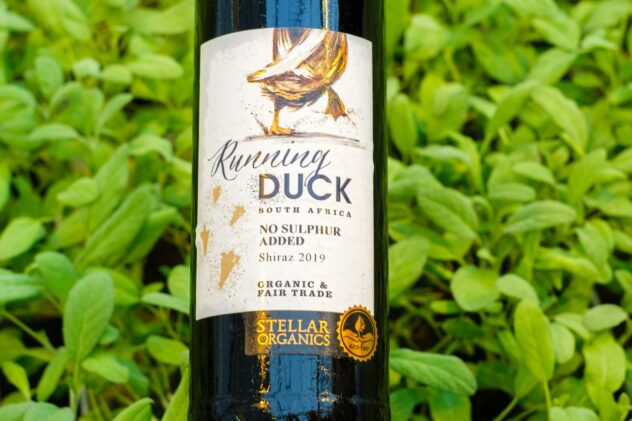
The fun Running Duck range has all kinds of certifications, one of which is ethical certification.
Local Eco-Certification / Sustainable Development Certification

And that's not all, because in addition to ethical certifications, there are also local eco-certifications! As the name suggests, the perspective is primarily ecological, meaning environmentally friendly. Local eco-certifications relate to sustainable development principles, and the name of the symbol indicating local eco-certification at Alko is Sustainable Development.
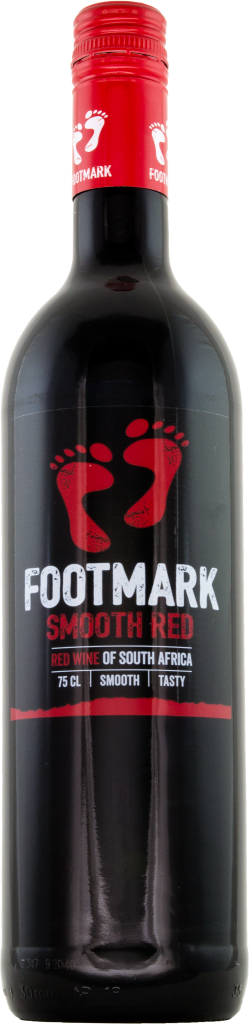
The lovely soft and round all-purpose red wine Footmark Smooth Red has local eco-certification. It's also suitable for vegans.
Natural Wine
Natural wines are an interesting trend with their own fan base. They are characterized by being made as naturally as possible without filtration or clarification. The fermentation process is interfered with as little as possible in natural wines. Producers and production volumes are quite small, and there is no clear legislation regarding them.
The flavor profile of natural wines can be an unusual experience for the uninitiated, but an open mind really pays off!
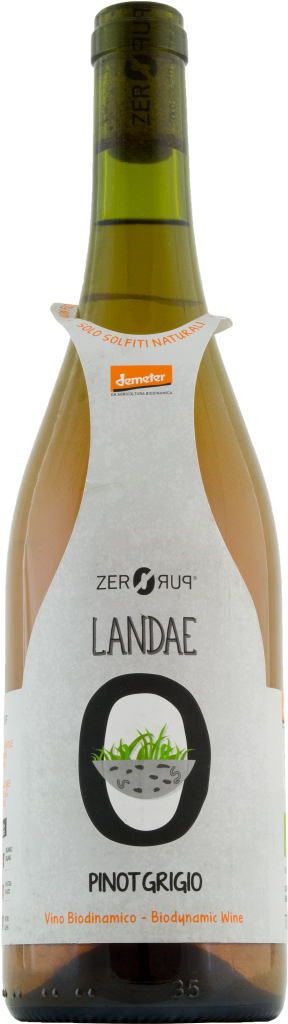
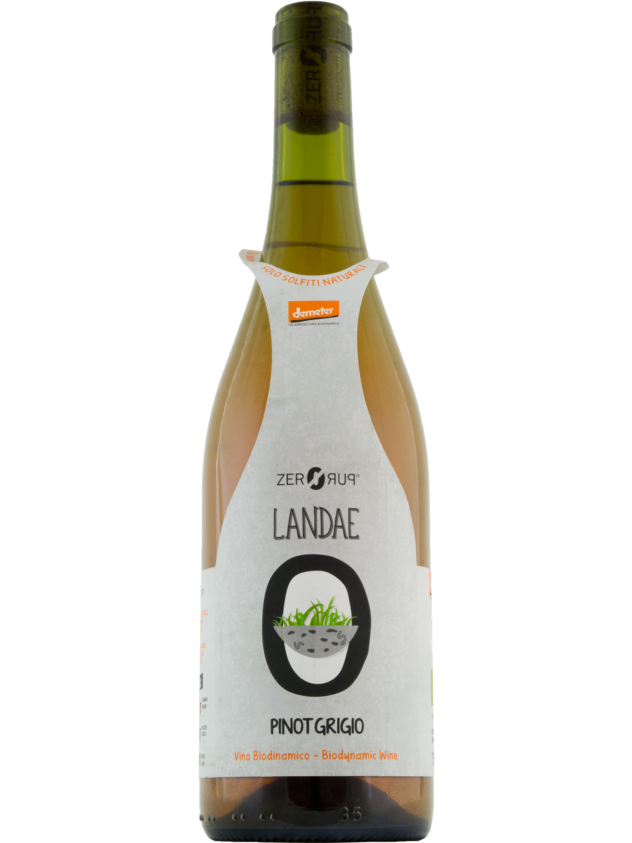
ZeroPuro Landae Pinot Grigio is a quality and stylish natural wine that also has biodynamic and vegan certifications. A distinctive choice as a versatile food wine.
No added sulfite
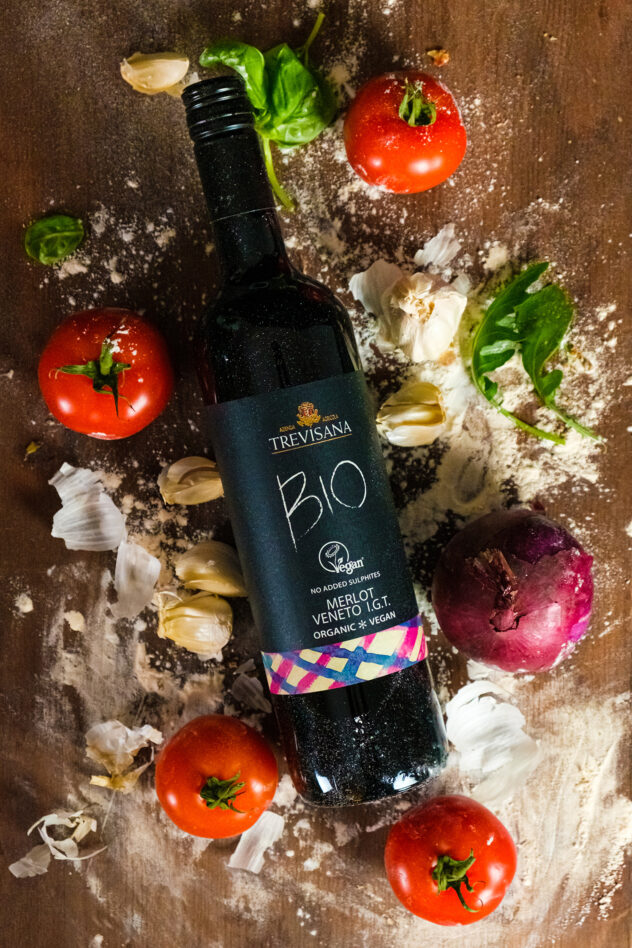
Wines without added sulfites, or NSA/NAS wines (no sulphur added / no added sulphur), are wines to which sulfites have not been added during the production process, and the sulfites in the wine come solely from its grapes.
Sulfites are sulfur compounds that have long been used in winemaking, acting as preservatives and maintaining consistent wine quality. People are often interested in them because some experience irritation symptoms from sulfites. In that case, it can be a good idea to try wine without added sulfites.
One such wine is the delicious Trevisana Merlot Bio No Added Sulphites, which goes well with pizza and pasta.