Prosecco, champagne, cava, crémant, Franciacorta, and sekt – they're all sparkling wines, but what's the difference? Here's a quick guide.
A bottle of bubbly – that's the sign of celebration! Sparkling wines come in every taste, as they're produced around the world in different styles and methods and at different sweetness levels, from extra dry to sweet.
In recent years, fresh prosecco has risen to great popularity, sometimes even used as a synonym for sparkling wine. Cava is also a favorite for many and suits many occasions, and of course champagne tastes great too when it's time to go all out.
Styles for every occasion
For rosé lovers, many sparkling wines are now also available in rosé versions, with especially berry-like and summery flavors and aromas.
Speaking of rosé sparklers, one of the newer additions is actually rosé prosecco, which is now possible to produce after a change in Italian wine law. Previously, it wasn't possible to make prosecco in a rosé version. Imagine – the production is that precise and protected!
Sparkling wines work excellently as social drinks at parties and as aperitifs to stimulate the appetite. They're also versatile alongside food, and some rosé sparklers even pair well with dessert.
But do you know how different sparkling wines differ from each other? Prosecco, contrary to popular belief, doesn't mean all Italian sparkling wine, and what on earth is crémant?
Production method affects sparkling wine
What's essential with sparkling wines is not only the grapes and the producer's vision, but also the production method.
The most common methods are tank fermentation and bottle fermentation or the traditional method, which also goes by the name champagne method (though due to regulations, the term isn't used outside champagne's home region of Champagne).
The tank method is faster and often produces lively and fairly light-bodied sparklers. The traditional method is longer and brings out toastiness and the developed structure characteristic of quality sparkling wines.
In both methods, a still wine is first made in the first fermentation, and the bubbles come in the second fermentation. In the tank fermentation method, this happens in tanks, and in the traditional method, in the bottle. If you want to know more, check out this article!
Below you'll find a summary of each sparkling wine's story, and once again you'll be a more skilled sommelier of your own life. Welcome to the journey – let's get started!
Prosecco – the fresh Italian
Prosecco comes from northeastern Italy, and its grape is Glera, which was previously also called Prosecco. It's fermented in tanks, and prosecco is characterized by freshness and fresh fruitiness. Typical of the Glera grape, you can often taste lovely pear and apple notes.
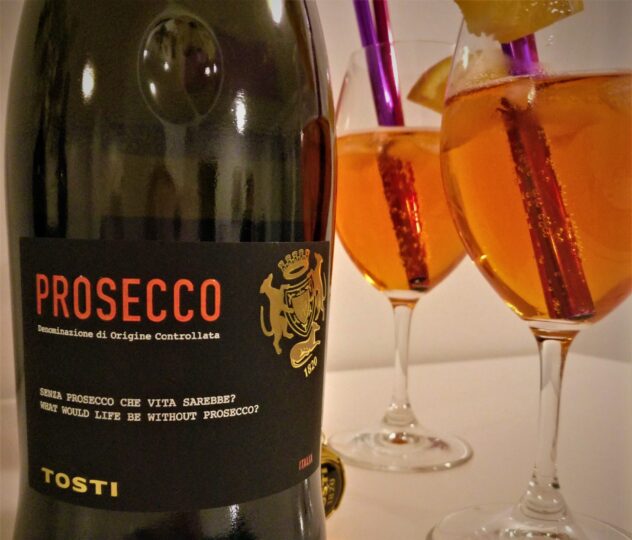
A fresh and approachable Italian wonder that fits this description is, for example, Tosti Prosecco Extra Dry, where acids and sugar are in excellent balance.
As the cherry on top, this refreshing drink is also suitable for vegans and is even packaged in an environmentally responsible lighter glass bottle. Hooray!
P.S. How about a prosecco drink? With Tosti Prosecco Extra Dry you can make a bubbly ArtSpritz or Orange Spritz.
Champagne – French luxury
Real champagne for real money! Champagne isn't among the cheapest sparkling wines, and champagne is associated with luxury and special occasions.
Only sparkling wines made in the Champagne region of France and specifically using the original champagne method (traditional method) can be called champagne. Typical grapes are Chardonnay, Pinot Noir, and Meunier.
Champagnes are further divided into different subtypes, from so-called standard champagnes to vintage champagnes, which are often more expensive. Wine houses also have their own styles. By exploring, you'll find out which house's champagne is to your liking!
A good place to start is, for example, the cornerstone of Nicolas Feuillatte's large and modern champagne house range, the standard champagne Nicolas Feuillatte Réserve Exclusive Brut.
It captures the house style with its lightness, liveliness, and freshness and is a fine demonstration of what this modern Champagne giant can do.
In the balanced, long, and crisply acidic Nicolas Feuillatte Réserve Exclusive Brut, the elegant nuance of fresh fruits combines with mature complexity.
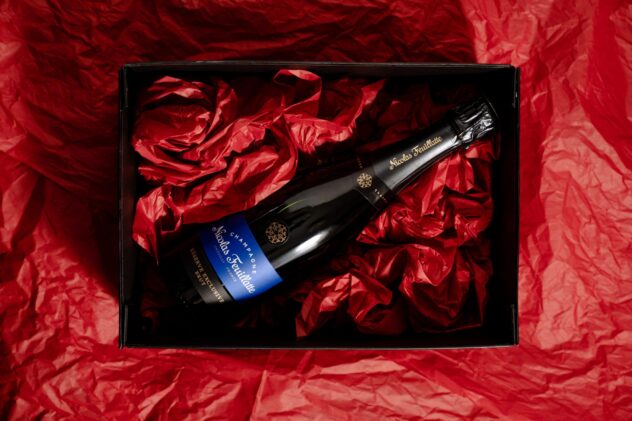
Quick tip! Want to try champagne a bit more affordably? You don't always have to pay a fortune to enjoy luxury. On Alko's shelf you'll also find Saint-Maurice Champagne Brut at a reasonable price.
Or if just a glass or two is enough, there's of course also the piccolo-sized Nicolas Feuillatte Réserve Exclusive Brut (20 cl). There are options!
Cava – sparkling from Catalonia
Cava comes from the province of Catalonia in Spain and is a sparkling wine that suits many and is easy to approach. It's also made using the traditional method (champagne method).
The majority of cava still comes from Catalonia, but it's now also made in many other regions such as Rioja, Navarra, Extremadura, and Valencia. The first official cavas were bottled in 1872 in the municipality of Sant Sadurní d'Anoia.
"Cava" means cellar, and cellar aging in the bottle brings toastiness, fresh citrus, and minerality. Cava styles and grape varieties vary by region, but typical grapes include Parellada, Macabeo, and Xarel·lo.
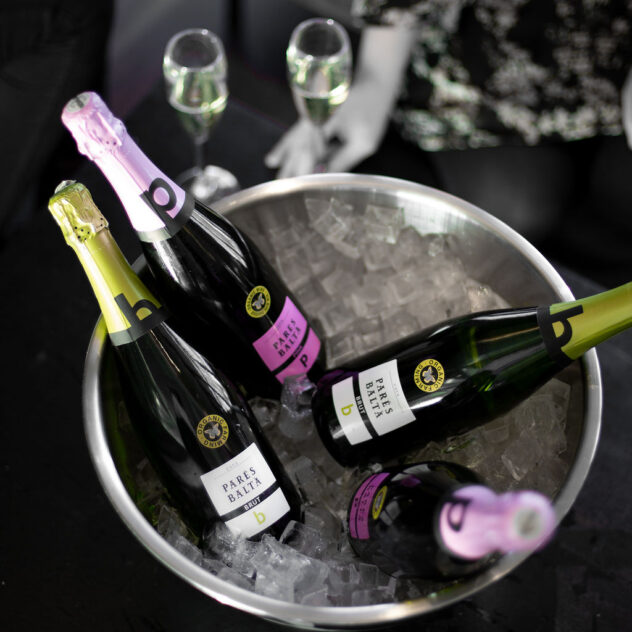
These are also used to make the popular Parés Baltà Brut b organic sparkling wine, which is also suitable for vegans.
The blend is dominated by Parellada, which gives the wine floral freshness thanks to the growing site's special microclimate. Macabeo brings fruitiness and Xarel·lo body. What a great combo!
Parés Baltà Brut b is characterized by the nuance and harmony of organic wine, and for an organic wine it also has a first-class price-quality ratio.
Psst! Also make a note of Brut b's cousin, the summery rosé sparkler Parés Baltà Pink p.
Crémant – versatile quality
French crémants are also made using the traditional method (champagne method). They're versatile and diverse quality sparkling wines that are easy to approach. Crémants come from Alsace, for example, but also from many other regions, such as the Loire Valley and even from Luxembourg.
Crémants reflect the style of their own region, so they have different nuances depending on where they come from. Again, there's a taste journey to be made from region to region. A nice little tasting project, right? 😉
Someone exploring crémants can start their taste journey with, for example, the excellent Wolfberger Crémant d'Alsace Brut, which comes from Alsace's largest producer. The Wolfberger winery is actually particularly known for its crémants. Experts at work!
All that glitters is not gold, but now we're getting pretty close. In the extra dry Wolfberger Crémant d'Alsace Brut you can taste pure fruitiness, citrus, yellow plum, and it has lively acidity. The grapes are Riesling, Pinot Blanc, Pinot Auxerrois, and Pinot Gris.
Here's a balanced companion that works from aperitif to dessert table.

Franciacorta – Italy's gem
Franciacorta may be a less familiar friend to many. It could be summarized simply as Italy's highest quality sparkling wine from the DOCG Franciacorta region of the same name. Like many other sparkling wine types in this article, Franciacorta is also made using the traditional method, also known as the champagne method. Franciacorta could perhaps be thought of as Italy's champagne. That little everyday luxury.
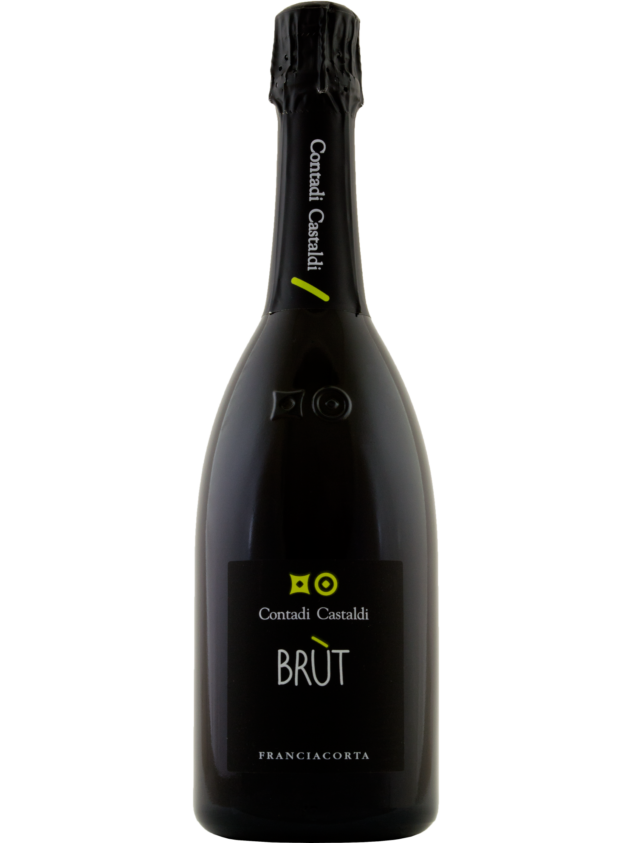
An excellent example of luxurious Franciacorta is Contadi Castaldi Brùt Franciacorta, where Chardonnay dominates the grapes with an 80% share. It's accompanied by Pinot Noir and Pinot Blanc.
The dry and abundantly fruity Contadi Castaldi Brùt Franciacorta has a structured and long flavor. Refreshing peachiness is enlivened by fine acidity and the long finish is punctuated by elegant minerality.
A nuanced choice and a quality-class wine to savor just for you!
P.S. This sparkling wine also has a delightful rosé sibling, Contadi Castaldi Rosé Franciacorta.
And also remember another truly fine Franciacorta, the elegant and soulful
Bellavista Alma Gran Cuvée Brut Franciacorta, which is even suitable as a gift! Franciacorta packaged in a striking bottle has been made since the beginning of its producer's history.
Sekt – bubbles the German way
Sekt is a diverse group of German sparkling wines, and the sekt designation is commonly used as a name for German sparkling wines. They're typically tank-fermented. Sekt comes in very different styles from lighter to fuller-bodied, but the unifying factor is Germany as the country of origin.
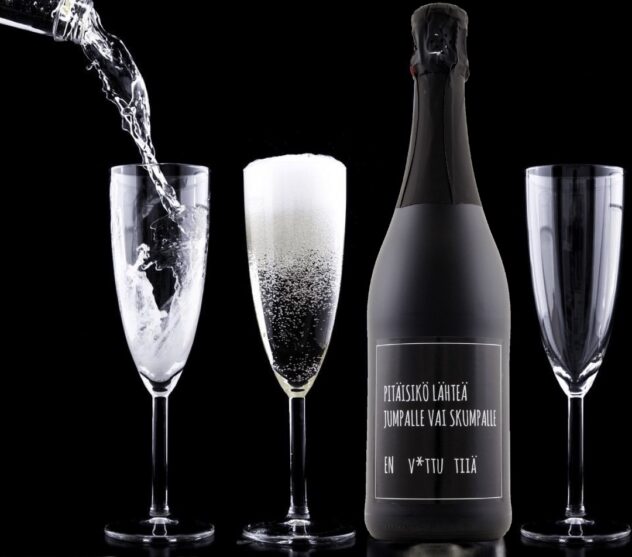
A fresh and fruity sekt can be found, for example, in the adorably dressed En v*ttu tiiä sparkling wine bottle. @envittutiiaofficial is a Finnish phenomenon that has risen to great popularity on social media.
The approachable En vittu tiiä sparkling wine corresponds in sweetness level directly to the Prosecco boom and the style in sparkling wines that pleases many. The sparkling wine is even packaged in a lightweight glass bottle with a smaller carbon footprint than a traditional glass bottle. Not a bad gift idea!