Ciao ciao, frutti di mare, mamma mia, and la dolce vita. Familiar phrases from Italian, but what do you know about beautiful Italy as a wine country? Here's a quick primer!
Italy is a truly diverse and classic wine country with a vast array of grape varieties. Italy produces all types of wine, including sparkling wine, red wine, white wine, and rosé. Italian wines are also interesting because the grape varieties are largely indigenous, though imported varieties are of course grown in certain regions as well.
The abundance might actually surprise you when you're shopping at Alko for an Italian-themed wine evening. But don't worry! Sommelier Jan-Martin Rossi has agreed to be our guide and shares what you should at least know about Italian wines.
DOCG, DOC, IGT... What Are They?
DOCG, DOC, and IGT are quality classifications for Italian wines. The quality classifications differ based on the criteria they set for the wine.
However, it's worth remembering that a lower classification certainly doesn't mean a bad wine! The quality classifications include restrictions on permitted grape varieties, for example, so the reason for a missing classification might be grape varieties that don't fall under a certain quality classification.
DOCG is the highest of the Italian wine quality classifications and has the strictest requirements for wine. The second highest is DOC, and third is IGT, which stands for regional wine (Indicazione Geografica Tipica). IGT strictly defines regional boundaries within which it's possible to grow certain, often international, varieties. Designations of origin, in turn, indicate the wine's home region.
Piedmont
Soils and growing conditions vary greatly across the country, as Italy stretches from the island of Sicily in the south all the way north to the Alps. One of the largest wine regions is Piedmont in the north, which produces a great deal of DOCG-classified wines, such as Barolos.
Italian wine regions are also largely defined by grapes. For example, the king of Piedmont is a grape called Nebbiolo, from which Barolo red wines are made.
Another significant grape in Piedmont is Barbera, and quality examples of these are produced by Marchesi di Barolo, for instance, which is also favored by renowned international wine critics like James Suckling.
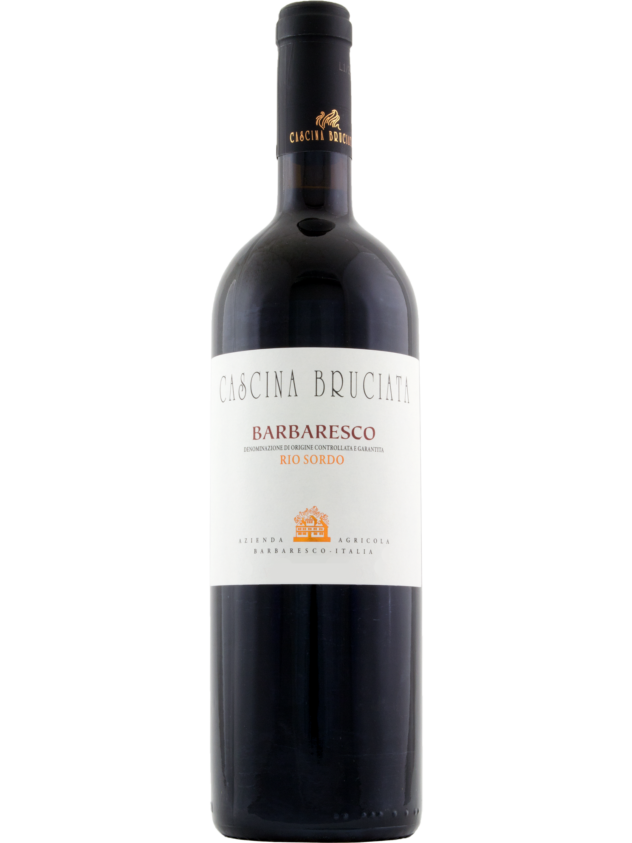
Our sommelier warmly recommends tasting, for example, Cascina Bruciata Barbaresco, produced by the Abbona family at Marchesi di Barolo.
Tuscany
Another region familiar to many is Tuscany, which offers quality Chianti Classico red wines under its sun. The cornerstone of Tuscan red wines is the Sangiovese grape variety, which gives Chianti its soul.
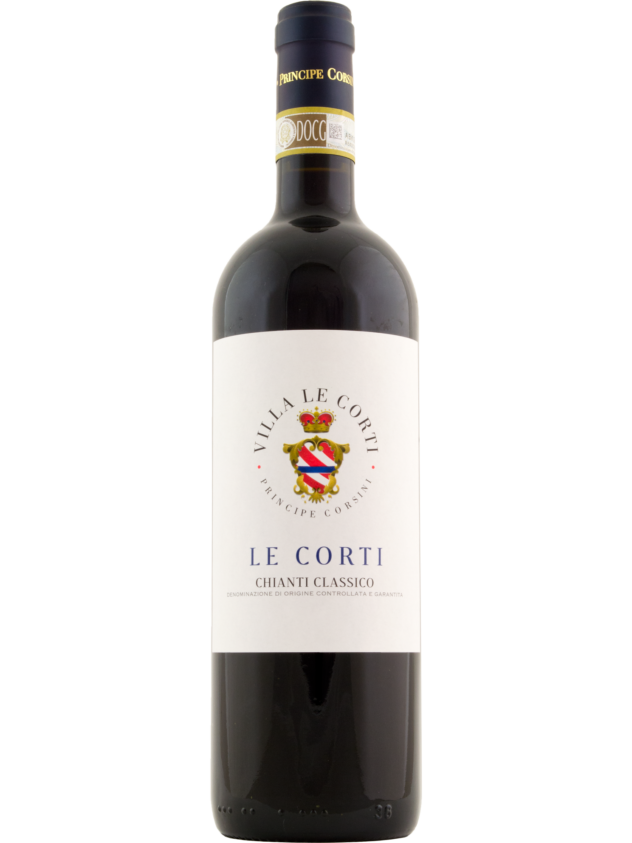
Chianti is a regional quality wine from Tuscany, and Chianti Classico is its even more distinguished friend. Our sommelier praises Le Corti Chianti Classico as an especially good and reasonably priced Chianti Classico, produced by the esteemed Principe Corsini.
You can find more information about Chiantis in this article, and if you're inspired to host a wine tasting evening featuring different Chiantis, you can print yourself a fun tasting sheet here!
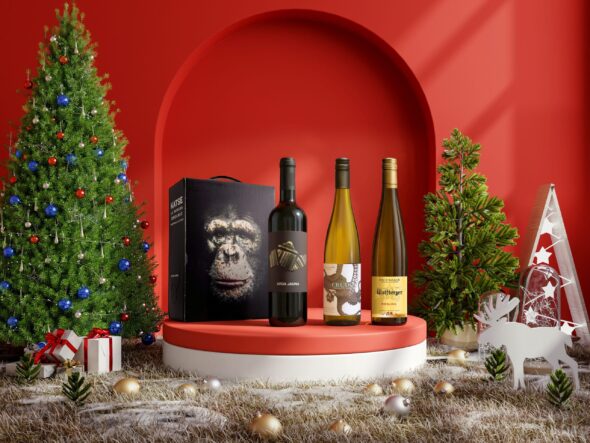
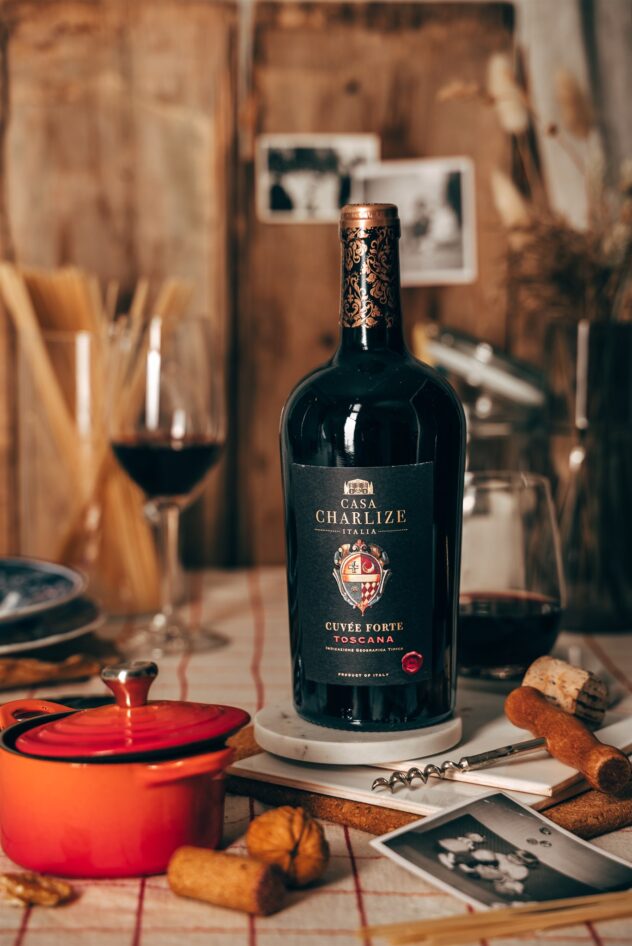
And Tuscany also produces excellent everyday Tuscan wines with outstanding value for money, like Casa Charlize Cuvée Forte, available in a stylish bottle as well as a bag-in-box suitable for larger groups.
Sicily
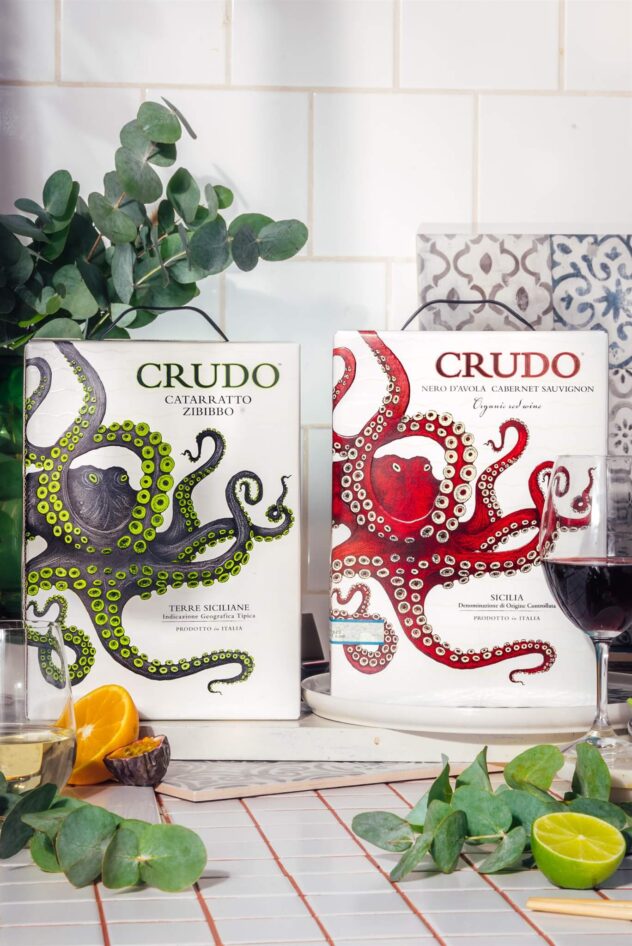
Sicily has also become an increasingly popular wine region, where conditions and elevations vary greatly. Grapes grown on the island include Nero D'Avola and Catarratto, excellent examples of which are the Crudo series "octopus wines".
You can get to know the Frappato grape with the lovely Amore Mio, and Grillo gives its best in the form of the gorgeous lemon-decorated Gloria Grillo. We recommend!
Prosecco's Home Is in Northeast Italy
Prosecco is familiar to many and a favorite of many, but contrary to fairly common belief, not all Italian sparkling wine is prosecco. At least 85 percent of the grapes used for Prosecco must be Glera, and the production area is the Veneto and Friuli-Venezia Giulia regions in Northeast Italy.
It's now also possible to produce rosé prosecco, which received DOC status in 2020 when Italian wine law changed. Hooray!
Typical of this sparkling wine is the pear or apple aroma of the Glera grape. For those looking for fresh, fruity sparkling wine, prosecco is a perfect choice.
Fermentation lasts only about thirty days and takes place in steel tanks, unlike Spanish cavas, for example, which are aged in the bottle and whose aging also takes longer.
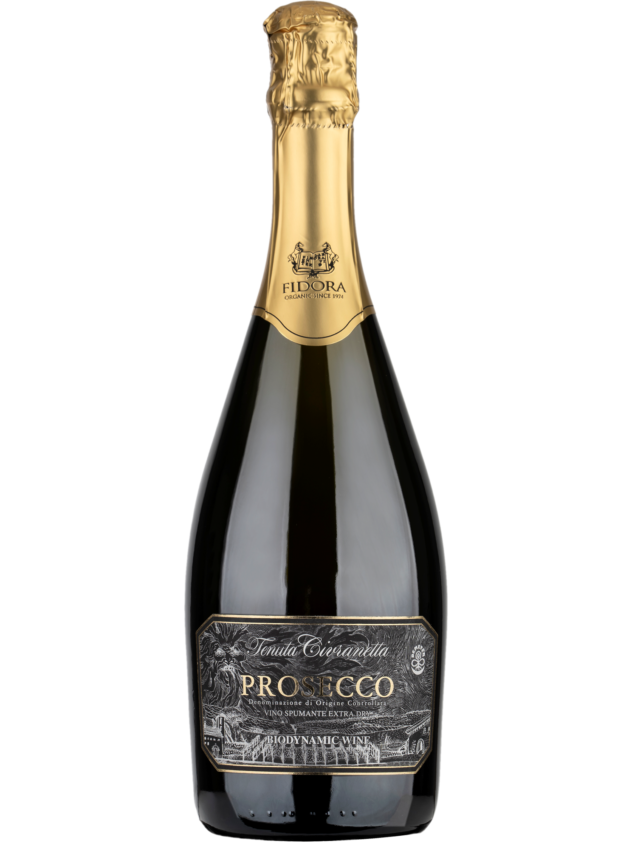
An excellent choice is, for example, Fidora Prosecco Extra Dry, which is easily approachable and has pleasant fruity roundness. In addition to socializing, it pairs well with various foods, and with sushi it's a direct hit.
If you're not sure whether prosecco is your thing, this is a good place to start! We bet it might be 😉
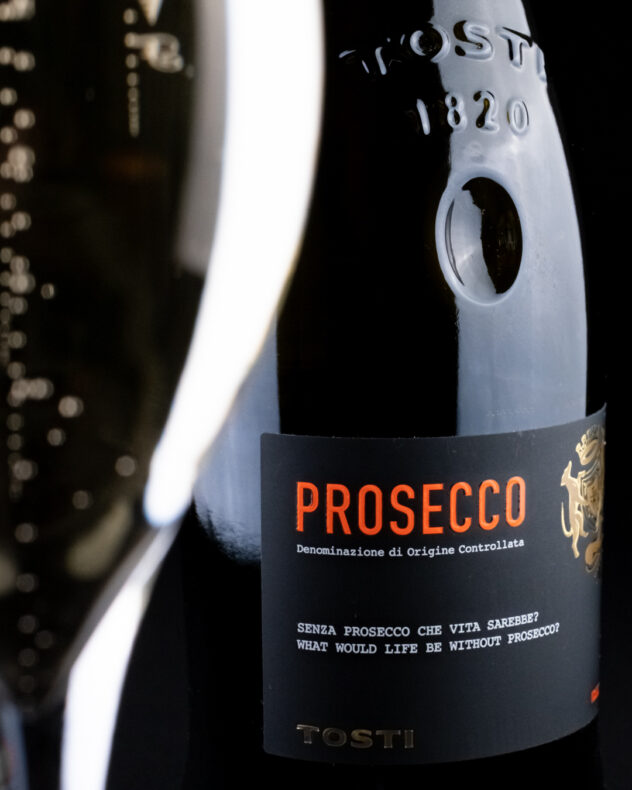
P.S. Also remember the excellent Tosti Prosecco Extra Dry, if Fidora is already familiar or you just want some variety.