Interested in wine tasting and wondering where to start? Or maybe you're looking for new ideas? You can easily explore wines with the guidance of a knowledgeable professional, but you can also organize your own wine tasting at home.
Wine tasting in good company is an excellent way to discover the wonderful world of wines and find new favorites at the same time. Plus, you get to spend quality time together. The tasting can also be done remotely!
Is organizing a wine tasting difficult? Not at all, since there's no single right way to do it. However, if you want to taste wines a bit more analytically, here are a few tips!
So where do we start?
The most important elements are already in place when you have a group of eager tasters and a few wines. Next, consider how much time you have and how many wines you can focus on. Usually 3–5 wines is a good number.
After that, think about what theme would be fun. Would you be interested in comparing wines made from Riesling grapes from different countries or regions? Or would you like to focus on a specific wine region and its different styles, such as Rioja red wines by aging time? The sky's the limit!
What about quantity? 6–8 cl of wine per glass is enough for tasting. If you want to try the wine with different foods later, reserve the same amount extra. Ideally, each wine is poured into its own glass so you can compare them and return to previously tasted wines.
And then the order of the wines. You'll do fine with a couple of rules of thumb: dry wines before sweeter ones, and lighter wines before fuller and more robust ones. If the wines aren't very familiar, check their characteristics in the product search or ask the always helpful Alko staff.
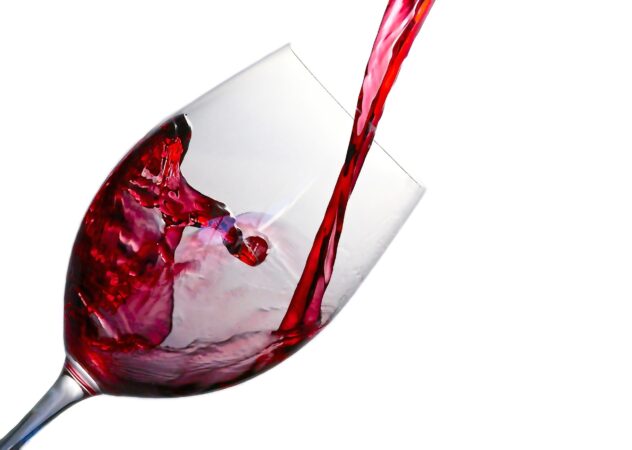
How to taste?
When organizing your own tasting, feel free to take artistic liberties. You can make the event exactly what the participants want it to be. For example, you can include a selection of foods and treats and taste the wines with them. Check out the wine tips for salty licorice and chocolate!
There's no single right way to taste wine, so don't stress about evaluating wines by the book. You're free to explore wines guided by your own senses and observations. You can evaluate wines entirely based on your own preference: do you like it or not, and why.
If you don't know where to start, you can begin by examining the wine's color. Is the red wine just red, or perhaps more dark red? Does it have the bluish tint typical of young wines, or can you find the brownish or brick-red shade of a more developed wine? And is the color clear or cloudy?
After that, many professionals also smell the wine, thinking about what aromas they can detect. Are they, for example, fruity, berry-like, earthy, or spicy? The aromas "open up" better for smelling when you swirl the wine in the glass. There are no right or wrong answers here either, since we all smell and taste differently.
After that, it's time to taste. You can consider whether the wine tastes like you expected based on the aroma. Can you find any clear flavors that you can name? Is the structure light, full, does it fill your mouth? Does the wine's acidity make your mouth water, do the tannins tighten your gums?
Try Easy Tasting Sheets
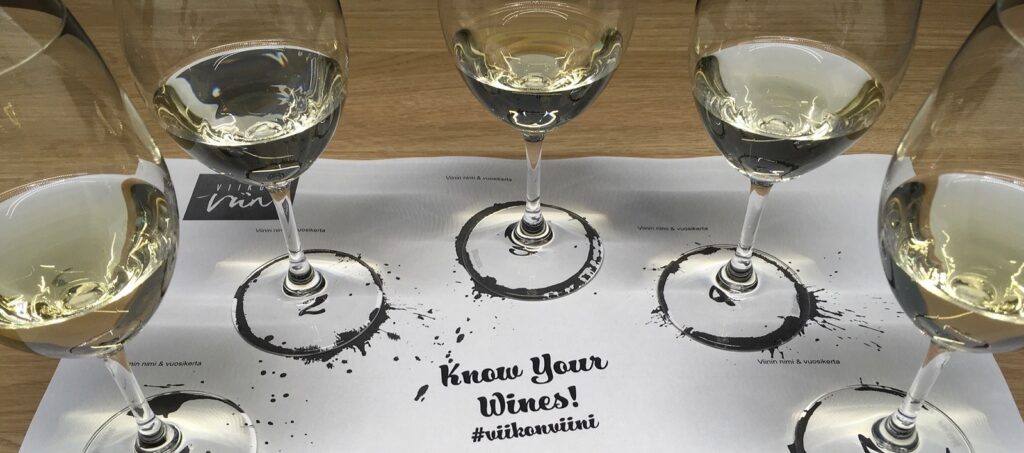
With very little effort, you can get your wine tasting started by trying ready-made wine tasting sheets that include a few interesting wines. The sheets contain information about the wines and their origins. They also have marked spots where you can conveniently place the glasses in the right order. If you choose the wines yourself, you can print an A3-sized tasting sheet from Viikon Viini here to make notes and place the glasses.
The tasting sheet has writing space under each glass where you can make notes about the observations and sensations the wines evoke. What does the wine taste like with salty, sweet, or umami flavors? What about on its own? How do the flavors change with different foods? Feel free to write down anything that comes to mind!
A good option for newcomers – and why not for more experienced enthusiasts too – is to try, for example, a three-wine tasting sheet called At the Source of Basic Flavors. This tasting includes a dry white wine, a semi-dry white wine, and a sweet sparkling wine. The trio consists of approachable, popular, and award-winning wines: the Spanish Hacienda Lopez de Haro Viura and the Italian Crudo Catarratto-Zibibbo and Tosti Asti Dolce. For red wine lovers, we recommend the Matsu series, for which you can get the sheet here.
Remember to also chill the wines to their appropriate temperature so you get the most out of the tasting. The ideal serving temperature for the dry Hacienda Lopez de Haro Viura and semi-dry Crudo Catarratto-Zibibbo mentioned above is 10–12°C. The sweet Tosti Asti Dolce tastes best slightly cooler, around 8–10°C.
Now just start tasting! Enjoy your tasting!