"Wine is food," says Piergiorgio Castellani. "Growing grapes and making wine is a craft. A craft that passes from father to son as knowledge gained from long, slow, and laborious experience, repeated over and over as the seasons change." He knows what he's talking about, as the Castellani family business has honed this craft since 1903. Over the decades, there have been plenty of changes, and now the family owns no fewer than six wine estates. Tenuta di Burchino, Tenuta di Campomaggio, Tenuta Poggio al Casone, Tenuta di Santa Lucia, Tenuta di Ceppaiano, and Fattoria di Travalda are all located in the Chianti region.
Global Wine House has partnered with the Castellani winery in Pontedera for its Cantine Casa Charlize brand. With their experience and expertise, they've crafted a wine that's hard to resist. From harvesting the grapes to bottling, the goal is to make a quality wine at a reasonable price—everyone's ticket to Tuscany. Just like the highest-priced Super Tuscans, it includes French grape varieties, which is why the official quality designation, instead of the higher classifications, is IGT, or Indicazione Geografica Tipica, a wine typical of its region. The Casa Charlize wine range aims to combine the quality and reputation of classic Italian wines with respect for the history and traditions of winemaking.
Value for money
Italy's wine offerings can be roughly divided into two groups: wines for the truly wealthy and wines for ordinary people. Few of us have the means or desire to pay the three-digit euro price that graces the shelf edge of many famous wines. Even those Amarones, Barolos, and Brunellos that you can't get two bottles of for a hundred euros remain for special occasions for many. Italians are demanding about their food—the antipasto cold cuts must be freshly sliced, the pasta must be al dente, and the coffee freshly ground, even at a gas station—but wine traditionally plays second fiddle at the dinner table. Good wine has always been available in abundance, and serving it in a jug or carafe doesn't ruin lunch or dinner. Bad wine never belongs in a glass. Casa Charlize Cuvée Forte is a fine example of enjoyable quality meeting affordable price. A true Italian pleasure.
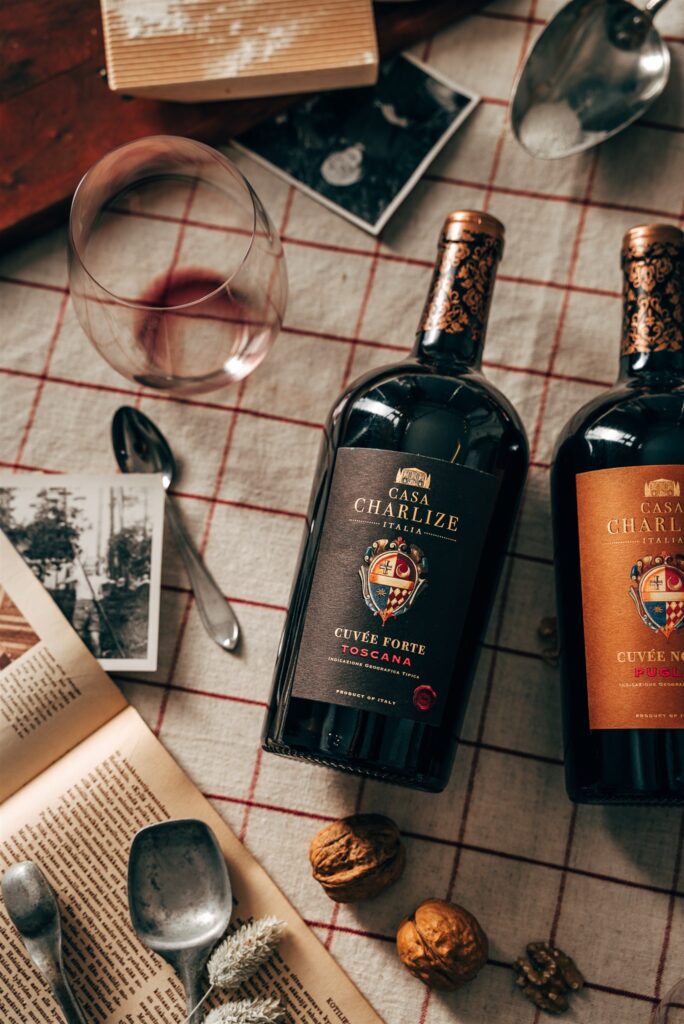
Casa Charlize Cuvée Forte is a joy to the eye. The deep ruby-red color speaks to the wine's density and richness, yet it sparkles brightly in the glass. This isn't a wine concentrate but a food wine. Charlize Cuvée Forte deserves a large, upward-tapering stemmed glass that does justice to its aroma. The nose easily picks up sweet cherry jam, boysenberry, blackcurrant, cinnamon, leather, and dark chocolate.
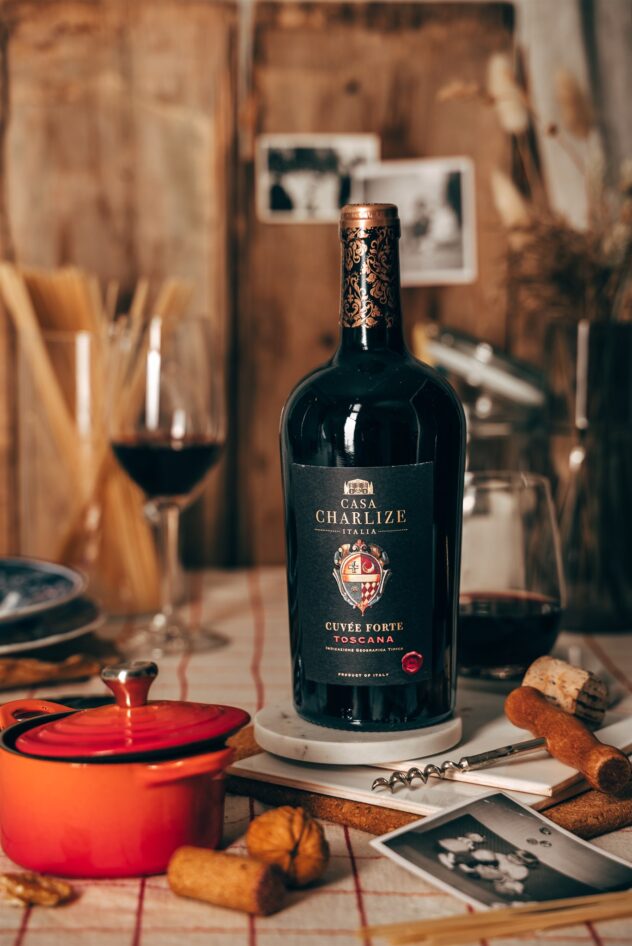
Most delightful, however, is the taste of Charlize Cuvée Forte. You don't need to be an expert to fall for the very first sip, which is jammy and fruity, dark and berry-like, velvety in tannins, currant-like in acidity, long, and spicy. The wine is full-bodied and rich, yet approachable, flavorful, and downright gentle in all its abundance. The blend is perfectly balanced: Sangiovese makes the wine quintessentially Italian, Cabernet Sauvignon adds structure, Syrah brings richness, and Merlot contributes juicy jamminess.
Salt and sugar
The finish of Casa Charlize Cuvée Forte is tinged with fruity sweetness. It makes the wine round and, in many people's opinion, especially enjoyable. For a food wine, it adds extra punch when meeting salt and spices.
Italian cold cuts are so salty that the local bread is often left unsalted. Richly flavored meat dishes often get a dollop of jam as a side for exactly the same reason.
Whether you're enjoying antipasto salami and prosciutto, adding another spoonful of salty Parmesan to your pasta, tasting roasted meat, or admiring salty Gorgonzola cheese, you'll notice how well Charlize Cuvée Forte accompanies these delicacies.
Italy is a state of mind
These days, a glass of Charlize Cuvée Forte takes your thoughts on a dream trip to Tuscany. Perhaps to Pontedera, where Casa Charlize Cuvée Forte comes from. Pontedera is a city the size of Riihimäki, with a history stretching back to the early part of the previous millennium. Strategically located, Pontedera was at times under Pisan, at times under Florentine rule. With the Renaissance, Pontedera's strategic importance faded and it began to develop as a commercial center. You can't avoid seeing a Vespa scooter here, as Piaggio's factory is in Pontedera. The city's appearance matches the image of Italy perfectly, and most trips are made on foot or by Vespa.
How I long for a morning cappuccino and an afternoon pitch-black espresso. A restaurant table on the street, a bowl of pasta, and red wine. Should we eat at Pizzeria via Roma in the afternoon? In the evening, we have to go to Bisteccardente—their steaks have been praised as magnificent, they surely have Bistecca alla Fiorentina, the Tuscan T-bone steak. Hey, that's almost a kilo of meat on a plate. Or should we order their huge meat platter and share? They have good wines too. Next door is the bar Il Punto D'incontro, where we can digest dinner with coffee or grappa. I can't stand it, it's going to be amazing!
Hello! Where are you? Earth calling, want some more Charlize? This is good.
Psst...
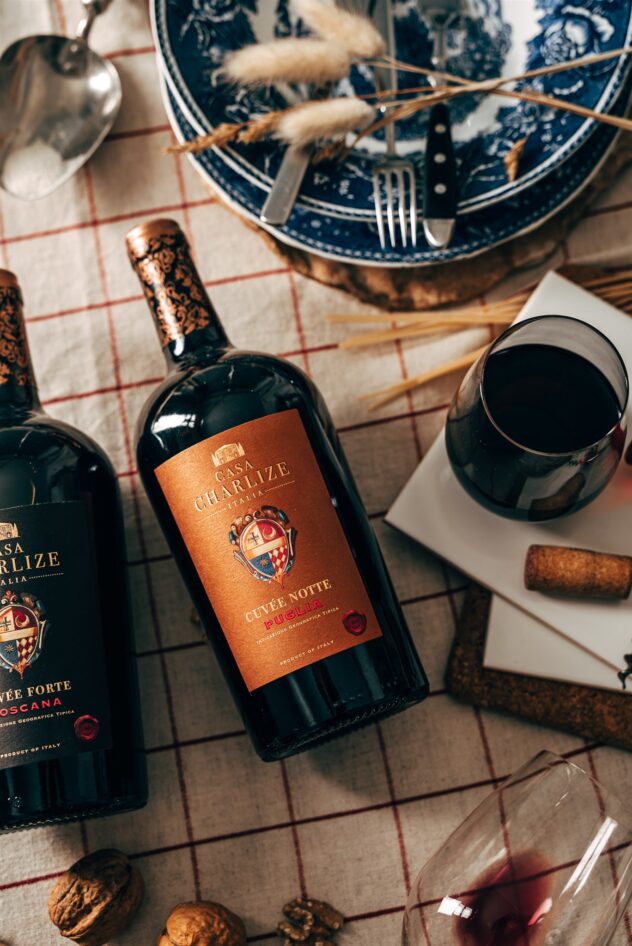
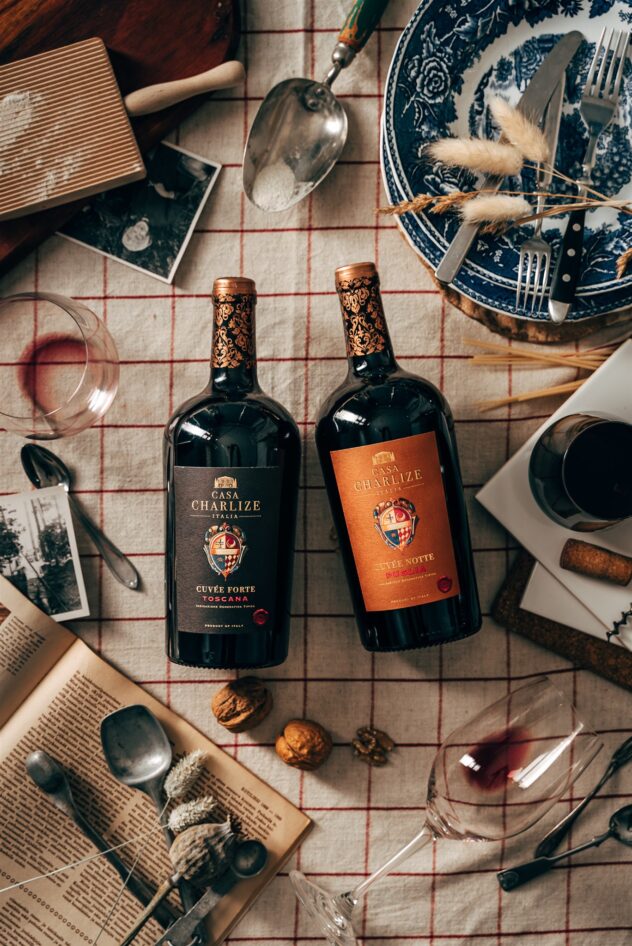
Did you know that Casa Charlize Cuvée Forte has a lovely new cousin from Apulia, Casa Charlize Cuvee Notte Puglia IGT?
This newcomer is a true casserole enhancer, knowing the requirements of braised vegetables and meats like the back of its hand. The night-dark wine brings to mind the eager anticipation of dinner and the aroma of a simmering casserole. What did nonna put in her ragù... A secret recipe, and so tongue-tinglingly delicious!
The smooth companion delights with its abundant fruitiness and jammy berry character. Shall we taste? Buon appetito!
For pricing and additional information, click here.